Yaar, exam aane wale hain aur tum abhi bhi confuse ho ki padhein kahan se, kya chhoden, aur kitna time lagayen? Agar haan, toh yeh article tumhare liye hi hai.
Aaj hum baat karenge ek simple aur practical strategy ki jo kisi bhi university ke students ke liye kaam karti hai — AKTU, DBRAU, CSJMU ya koi bhi. Na bakwaas, na fokat ki baatein — seedha kaam ki baat.
Quick Note: Is article mein jo bhi tips hain, woh real students ke experiences pe based hain. Koi theory nahi, sirf practical cheezein jo actually kaam karti hain.

Sahi planning ke saath padhai kaafi aasan ho jaati hai 📚
1 Pehle Syllabus Ko Samjho — Andha Mat Padho
Bahut saare students seedha textbook uthate hain aur padhna shuru kar dete hain — bina yeh jaane ki exam mein aayega kya. Yeh sabse bada mistake hai.
Pehle yeh karo:
University website se syllabus download karo
AKTU, DBRAU, CSJMU — sabka syllabus official site pe milta hai. SabkaCode pe bhi notes available hain.
Last 3-5 saal ke previous papers dekho
Kaun se topics har saal aate hain — woh note karo. Yahi "high weightage" topics hain.
Topics ko 3 categories mein baanto
Must-do (har saal aate hain), Should-do (kabhi kabhi aate hain), Skip-if-needed (bohot rare).
Warning: Jo topic syllabus mein nahi hai ya kabhi nahi aaya — usmein bohot zyada time mat lagao. Smart study karo, mehnat karo magar smart mehnat.
2 Realistic Study Schedule Banao
Bahut students 10-12 ghante padhne ka schedule banate hain — aur 2 din mein chhor dete hain. Unrealistic schedule se better hai ek chota, consistent schedule.
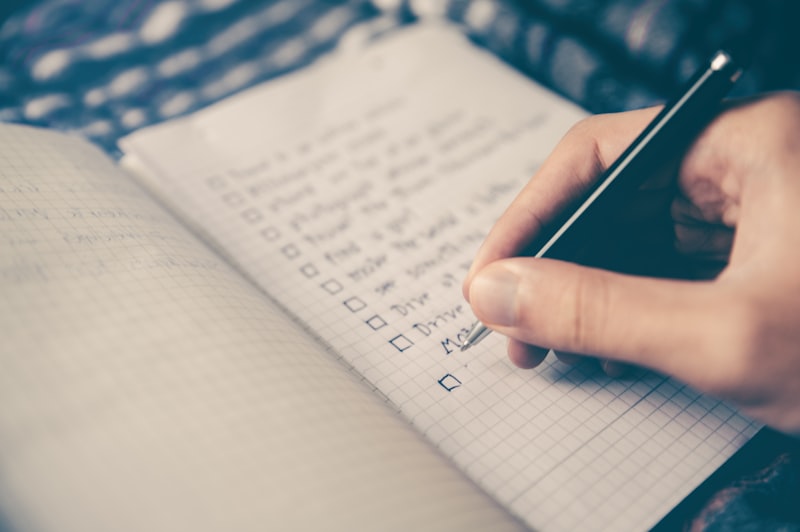
Ek acha study schedule tumhari life change kar sakta hai ⏰
Yeh formula try karo:
- Subah (6-8 AM): Fresh mind hota hai — difficult topics yahan padho (Maths, OS, DBMS)
- Dopahar (2-5 PM): Theoritical subjects — thodi nींद ke baad memory better hoti hai
- Raat (8-10 PM): Revision aur next day ka plan
- Raat 10 ke baad: Please so jao — neend mein brain memory consolidate karta hai
Pomodoro Technique Try Karo: 25 min padho, 5 min break lo. 4 rounds ke baad 20-30 min ka bada break. Yeh technique concentration seriously boost karti hai.
3 Notes Banana — The Right Way
Book se directly padhna aur notes banana — dono mein fark hai. Active notes banana padhai ko 40% zyada effective banata hai (yeh memory research ka result hai).
- Apne words mein likhо — copy mat karo textbook se
- Diagrams, flowcharts, tables use karo — visual memory strong hoti hai
- Har topic ke baad 3-5 bullet points likho — "main kya seekha"
- Margin mein apne sawal likho jo baad mein clarify karoge
Pro Tip: Effective notes kaise banayein — iske liye humara alag detailed article bhi hai. Link neeche related articles mein hai!
4 Revision Strategy — Sirf Ek Baar Padhna Kaafi Nahi
Exam se 10 din pehle sirf naya padhna band karo — revision pe focus karo. Jo padha hai usse pakka karo, naya kuch bhi mat shuru karo.

Revision = marks. Isko seriously lo 🔄
Revision plan yeh hoga:
- Exam se 10 din pehle: Har subject ke important topics ek baar dekho
- Exam se 5 din pehle: Previous year papers solve karo — time ke saath
- Exam se 2 din pehle: Sirf notes dekho, kuch naya mat padho
- Exam se 1 din pehle: Halka revision, achhi neend, aur relaxed raho
Raat bhar jaagna band karo: All-nighter se thodi der ke liye lag sakta hai ki bohot padh liya, magar exam mein concentration aur memory dono kharab hoti hai. 7-8 ghante ki neend must hai.
5 Exam Hall Mein Time Management
Padhai toh kar li, magar exam hall mein ghabra gaye — toh sab bekar. Exam hall management ek skill hai jo seekhni padti hai.
Pehle poora paper padho (5-7 min)
Seedha likhna shuru mat karo. Ek baar poora paper scan karo — easy questions identify karo.
Easy questions pehle karo
Jo ata hai woh pehle likho — confidence banta hai aur time bhi save hota hai.
Ek question pe zyada time mat lagao
Agar kuch yaad nahi aa raha — chhod do, aage badho, baad mein wapas ao.
Last 10 min review ke liye bachaо
Likhe huye answers ek baar check karo — spelling, calculation, kuch chhuta toh nahi.
Writing Style Matter Karta Hai: Points mein likho, headings use karo, diagrams banao jahan possible ho. Examiner ke liye padhai mein asaan — marks mein difference dikhta hai.
6 Mental Health — Padhai Ke Saath Stress Handle Karo
Exams stressful hote hain — yeh normal hai. Magar agar stress bohot zyada ho toh performance actually kharab hoti hai. Kuch simple cheezein:
- Roz 15-20 min walk ya light exercise — mood serious improve hota hai
- Doston se baat karo, akele mat raho exam pressure mein
- Social media ko specific time pe use karo — study time mein nahi
- Har din kuch chota achieve karo — ek topic complete — celebrate karo
- Yeh yaad rakhо: ek exam life nahi hota — koshish karo, best do, result aayega

Break lena bhi padhai ka hissa hai 🧘
Final Baat
Exam preparation rocket science nahi hai — bas sahi direction, consistent effort, aur smart planning chahiye. Jo students top karte hain, woh generally genius nahi hote — woh bas smarter strategy use karte hain.
Is article ki har cheez ek ek karke apply karo — results khud aayenge. Aur haan, agar notes aur previous papers chahiye toh SabkaCode pe free available hain — check karo!
Tumse Ho Sakta Hai! Yeh tips follow karo, consistent raho — aur exam mein apna best do. Good luck! 🚀